
S4 · Sensitization and Chloride SCC
Corrosion Cracking (316L/304 Environments and Threshold Reference)
List the environments, grades, and threshold conditions for corrosion cracking: 4 typical components/processes, including recommended grades, specifications, failure causes, and standards.
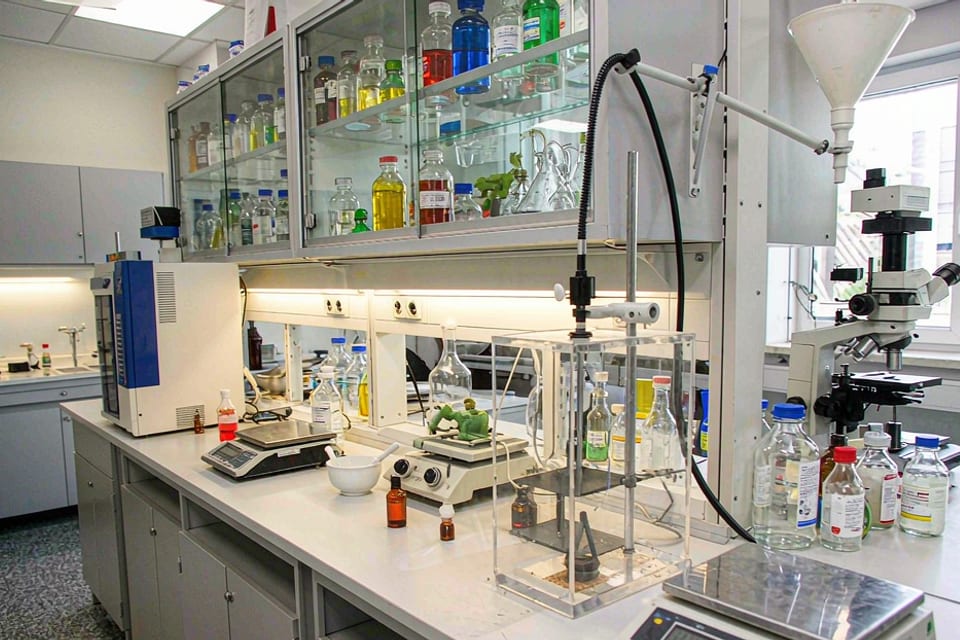
Four Parts and Material List
| Part / Component | Recommended Grade | Specification / Thickness | Surface | Excess Delta-Ferrite in Weld Seams | Standards |
|---|---|---|---|---|---|
| Intergranular Corrosion (Weld HAZ/Sensitization) | 304/304L/316L | Sensitization range 450–850°C; 316L 650–725°C ×30min | Cr₂₃C₆ precipitation along grain boundaries → chromium depletion<12% → | Low-carbon/stabilized (304L/316L/321/347); solution treatment; GB/T 4334 Method E; ASTM A262 Practice B | GB/T 4334—2020; ASTM A262 |
| Chloride Stress Corrosion Cracking (SCC) | 304L/316L | 316L SCC in dilute chlorides at 95–120°C; accelerated in 40% MgCl₂ at 110°C; CO₂ 0.1MPa, 65°C, Cl⁻ 120,000mg/L, Iscc max 26.8% | Reduce stress, shot peening, duplex steel, high-nickel alloys | Control Cl⁻ and temperature; avoid stagnant dead corners where chlorides accumulate | GB/T 4334; ASTM G36/G123; NACE MR0175 |
| Alkaline Stress Corrosion Cracking (Caustic Embrittlement) | 304/316L | High-concentration NaOH + high temperature + tensile stress | Chloride selective corrosion near grain boundaries + stress | Post-weld stress relief; limit alkali concentration/temperature; select duplex or high-nickel steel | High delta-ferrite in weld seams |
| GB/T 4334; NACE-related | 316LMaterial Selection | Material Selection | Weld Monitoring | Delta-ferrite > 3% significantly reduces corrosion resistance | ASTM A249/S7; ASME BPE |
Ferrite mode, preserve austenite; selective dissolution of excess austenite in corrosive environmentsControl heat input/composition; maximize S7/ASTM A249 ratio to 1.25; use ≤10% austenite for cracking resistance, but<4% for Corrosion ServiceTable: Standard Configuration
Specifying service conditions matters more than listing brands
- The most common grades in this field are 316L (4), 304 (2), and 304L (2) — the numbers in parentheses indicate how many parts they apply to, making this the starting point for proposals and material ordering.
- Thickness range: 95–850 mm. Thin sheets are often formed parts (accounting for cracking during bending and deep drawing), while thick plates are typically welded structures (accounting for heat input and sensitization).
Uz-UZ translation: What common questions are there?
Which stainless steel is most commonly used for the temperature–time–concentration threshold of sensitization and chloride-ion stress corrosion cracking?
How many times are these 4 parts considered in total?
Which type of part is most common?
Which type of part has the highest failure rate?
For which type of part should I choose a thicker gauge?
The thickness range in the list is 95–850 mm. For thin sheets, consider bending and surface treatment; for thick plates, consider welding and structural strength. Values may vary by equipment manufacturer for the same application. Re-verify against your drawing or operating conditions.
Related Materials and Adjacent Industries
304Materials and Specifications304LMaterials and Specifications316LMaterials and SpecificationsStainless Steel Fasteners: A2-70/A4-70/A4-80/D Series and Latest StandardsStainless Steel FastenersCarbon Steel Flanges for Seawater Desalination: 2205/2507 Pressure–Temperature–Corrosion LimitsDuplex Flanges and DesalinationHygienic Diaphragm Valves/Sanitary Valves: ASME BPE, Ra and Temperature LimitsSanitary Valves